Understanding gi8ee’s Software Architecture
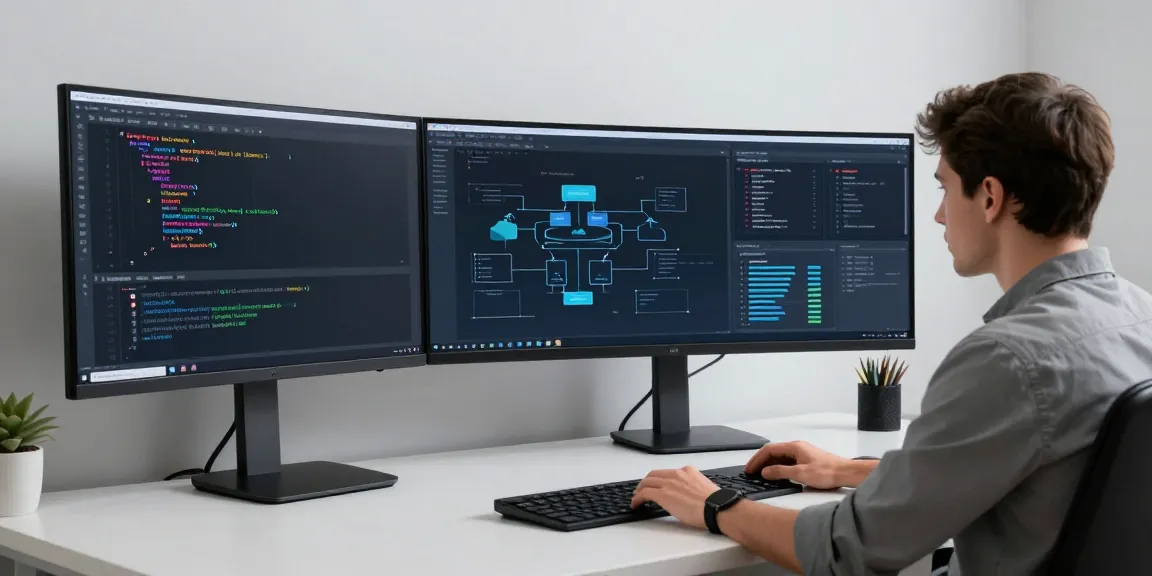
In the ever-evolving landscape of software development, organizations face the challenge of building scalable and maintainable systems while adhering to best practices. For platforms like gi8ee.com, which aim to provide robust services, understanding the underlying software architecture is crucial. This article breaks down key concepts that shape modern software systems, offering insights into microservices, design patterns, and integration strategies critical for any technology-driven company.
The Role of Microservices in Modern Development
Microservices architecture has emerged as a favored approach among developers seeking to enhance the flexibility and scalability of their applications. In contrast to traditional monolithic architectures, which often make large applications unwieldy, microservices introduce a modular approach where each service can be developed, deployed, and scaled independently.
- Scalability: Microservices can handle increased loads without requiring the entire system to scale up. Services can be replicated and managed separately, allowing for finer control over resource allocation.
- Fault Isolation: If one microservice fails, it doesn’t necessarily bring down the entire application, thus enhancing overall resilience.
- Technology Diversity: Teams can choose the most suitable technologies for each service, accommodating specific requirements or preferences without being constrained by a single technology stack.
Design Patterns Enhancing Scalability
Effective design patterns can significantly improve system scalability. Commonly used patterns in microservices include:
- API Gateway: Acts as an entry point for all client requests, facilitating routing and orchestrating calls to various microservices.
- Circuit Breaker: Prevents system overload by halting requests to failing services, allowing for graceful degradation and enhancing overall system stability.
- Event Sourcing: Maintains the state of an application as a sequence of events rather than as a single fixed state, enabling better scalability and performance analysis.
Data Flow and Integration Strategies
When deploying microservices, effective data flow and integration are crucial to maintain reliability and performance. Common strategies include:
- Service Mesh: A dedicated infrastructure layer that manages service-to-service communication, enhancing observability and control.
- Message Brokers: Tools like RabbitMQ or Apache Kafka can facilitate asynchronous communication between services, improving resilience and reducing direct coupling.
- API Management: Utilizing platforms that provide lifecycle management, security, and analytics for APIs helps maintain optimal performance and governance across microservice interactions.
Cloud Computing Solutions for gi8ee
Cloud computing serves as the backbone for many tech startups, including platforms like gi8ee.com, enabling flexible resource management and cost-effective scaling. Selecting appropriate cloud solutions can lead to significant enhancements in operational efficiency and service delivery.
Best Practices for AWS Cloud Infrastructure
Amazon Web Services (AWS) remains a leader in the cloud computing space. Here are some best practices to consider when leveraging AWS:
- Infrastructure as Code (IaC): Tools like AWS CloudFormation allow teams to provision resources quickly and consistently using code.
- Cost Management: Utilize AWS Budgets and Cost Explorer to monitor expenses and optimize resource allocation continuously.
- Security Best Practices: Implement the principle of least privilege by using AWS IAM roles and regularly audit access permissions.
Choosing Between Azure and GCP
When considering cloud providers, choices typically narrow down to Amazon Web Services (AWS), Microsoft Azure, and Google Cloud Platform (GCP). Each has its strengths:
- AWS: Best known for its extensive global presence and service breadth.
- Azure: Offers seamless integration with Microsoft products, making it ideal for enterprises already depending on Microsoft software.
- GCP: Stands out with its data analytics and machine learning capabilities, making it an attractive option for data-driven applications.
Cost Optimization in the Cloud
Effective cost management in the cloud requires ongoing monitoring and optimization efforts. Strategies include:
- Resource Tagging: Assign tags to resources to track usage and costs closely.
- Auto-scaling: Implement resource auto-scaling to match demand dynamically and reduce costs during low-traffic periods.
- Spot Instances: Use AWS spot instances or GCP preemptible VMs for jobs that can tolerate interruptions, leading to substantial savings.
AI/ML Implementation at gi8ee
Artificial Intelligence (AI) and Machine Learning (ML) are becoming integral components of modern software development strategies. Companies like gi8ee.com can leverage AI/ML to enhance user experience and optimize business operations.
Innovative Use Cases for AI in Software Development
AI and ML can be applied in various ways in software development:
- Code Generation: Tools utilizing AI can help in automatic code generation, enhancing productivity and reducing human error.
- Predictive Analytics: Leveraging historical data to anticipate future trends can inform decision-making processes and improve project estimation.
- Automated Testing: AI can enhance testing frameworks by efficiently identifying and creating test cases, expediting the testing phase of development.
Model Training and Deployment Protocols
Training and deploying ML models come with unique challenges. Effective protocols include:
- Version Control: Utilize version control for datasets and models to ensure reproducibility and traceability in ML workflows.
- Continuous Integration/Continuous Deployment (CI/CD): Integrate ML models into CI/CD pipelines for automated testing and deployment.
- Monitoring and Retraining: Regularly monitor model performance and retrain them with new data to maintain accuracy over time.
Best Practices for Data Security in AI
As AI and ML rely heavily on data, protecting sensitive information is paramount. Key practices include:
- Data Encryption: Secure sensitive data in transit and at rest with robust encryption protocols.
- Access Controls: Limit access to data and models to authorized users to mitigate risks associated with data breaches.
- Compliance Awareness: Stay informed and compliant with regulations such as GDPR or HIPAA as they pertain to AI data handling.
Cybersecurity Measures for gi8ee
As internet threats continue to evolve, cybersecurity must be a foundational element of any tech initiative. For platforms such as gi8ee.com, the implementation of robust cybersecurity measures is non-negotiable.
Threat Mitigation Protocols for Tech Startups
Startups must adopt comprehensive threat mitigation protocols to safeguard their applications:
- Regular Security Audits: Conduct frequent updates and audits to identify and rectify vulnerabilities.
- Penetration Testing: Engage in regular penetration testing to evaluate the effectiveness of security measures.
- Employee Training: Educate staff about common cyber threats and safe practices to prevent social engineering attacks.
Best Practices for Secure Software Development
Emphasizing security in the software development lifecycle (SDLC) is essential. Best practices include:
- Secure Coding Guidelines: Developers should adhere to secure coding principles to mitigate potential vulnerabilities.
- Static and Dynamic Analysis: Incorporate tools for static and dynamic code analysis to identify and fix security issues early in the development process.
- Incident Response Plans: Establish clear incident response plans to ensure swift action in the event of a security breach.
Compliance and Regulatory Considerations
Compliance is crucial as software systems become increasingly intertwined with sensitive data. Consider the following:
- Data Protection Regulations: Understand and comply with relevant regulations on data protection and user privacy.
- Third-Party Risk Management: Assess third-party vendors for compliance risks that could impact your organization.
- Regular Compliance Audits: Conduct periodic audits to ensure adherence to regulatory requirements, identifying gaps and implementing corrective measures.
Enhancing Productivity with DevOps and CI/CD
Implementing effective DevOps practices and Continuous Integration/Continuous Deployment (CI/CD) can significantly boost productivity, particularly for tech companies focused on rapid delivery cycles like gi8ee.com.
Implementing Effective CI/CD Pipelines
CI/CD pipelines automate the software delivery process, enabling teams to deliver quality code more rapidly and efficiently:
- Automated Testing: Incorporate testing stages within the pipeline to detect issues early in the deployment process.
- Environment Consistency: Use containerization tools like Docker to ensure consistent runtime environments across development, testing, and production.
- Branching Strategies: Adopt effective branching strategies, such as GitFlow or trunk-based development, to streamline collaboration among team members.
Tools and Technologies for DevOps Success
A multitude of tools are available to enhance DevOps practices, including:
- Jenkins: A widely adopted tool for implementing CI/CD, enabling continual software integration and delivery.
- Kubernetes: Provides orchestration capabilities for containerized applications, improving scalability and resilience.
- Terraform: An IaC tool that enables teams to manage and provision infrastructure efficiently across various cloud providers.
Measuring Performance and Team Productivity
To drive continuous improvement, organizations must develop clear metrics to measure performance and productivity:
- Cycle Time: Track the average time it takes for a piece of work to move through the pipeline from development to production.
- Lead Time: Measure the time from idea inception to its deployment to ensure a fast feedback loop.
- Change Failure Rate: Monitor the percentage of changes that fail to determine the effectiveness of deployments and identify areas for improvement.
FAQs
What makes gi8ee’s platform unique?
The uniqueness of gi8ee.com lies in its commitment to utilizing state-of-the-art technologies while ensuring user-centric design, enabling better user engagement and functionality.
How to optimize performance in cloud environments?
Performance optimization in cloud environments involves monitoring application performance, right-sizing resources, utilizing content delivery networks (CDNs), and implementing caching strategies to reduce latency.
What are the latest trends in AI/ML for software development?
Recent trends in AI/ML include increased integration of natural language processing, automated machine learning (AutoML), and the utilization of federated learning, allowing intelligence to evolve while ensuring data privacy.